A Documented Timeline Alleging Systemic Pressure and Retaliation
LeRoy Nellis uses a chronological timeline to argue that detention conditions, surveillance practices and official responses formed a sustained pattern of pressure. This article preserves that account at the same URL while treating it as allegation, not adjudicated fact.
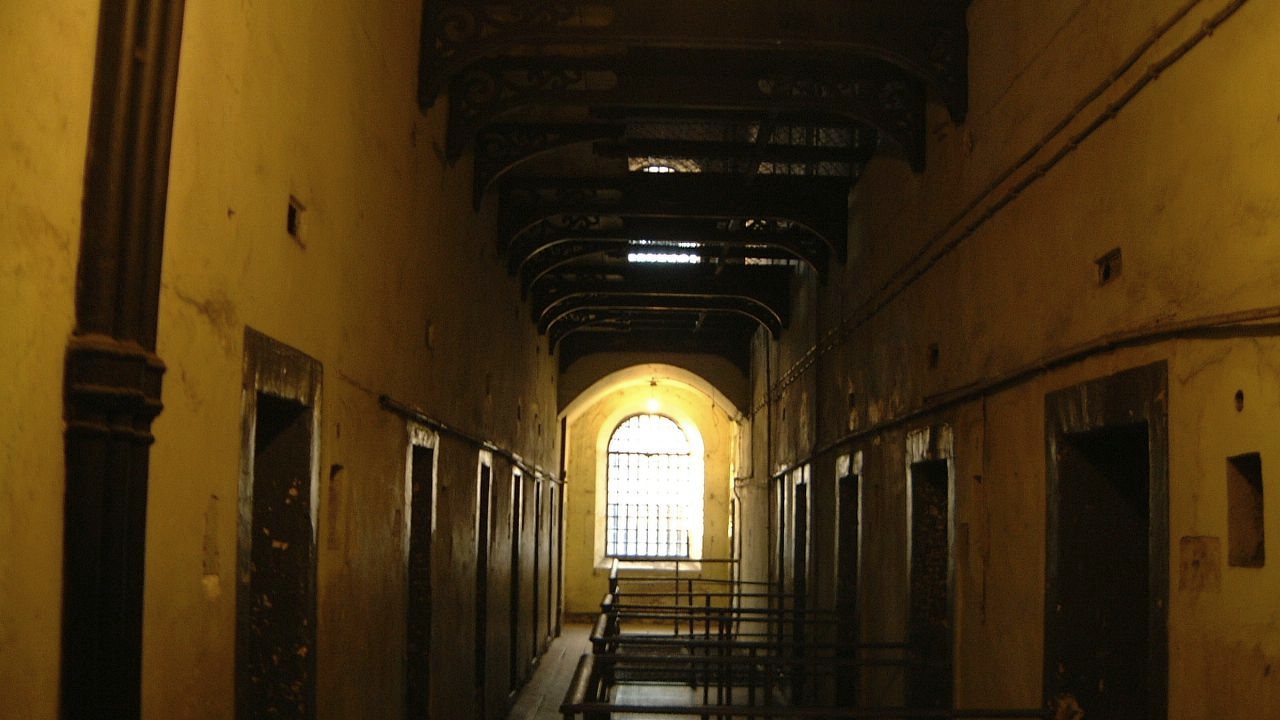
Chronology as an Argument
LeRoy Nellis’s timeline is built to show sequence: what he says happened, when it happened, and how later events related to earlier ones. In his framing, detention conditions, monitoring and procedural decisions did not occur in isolation but formed a pattern of pressure and retaliation.
This article keeps the original URL and reports the timeline as Nellis’s account. It does not prove coordination, intent or unlawful conduct by any person or agency. Terms such as “warfare” and “retaliation” reflect Nellis’s characterization; establishing those claims requires corroborated records, testimony and legal findings.
What a Timeline Can and Cannot Prove
A timeline is a powerful organizing tool. It can reveal gaps, repeated responses and connections that deserve investigation. It can also overstate certainty if entries are not independently verified or if alternative explanations are not considered.
The evidentiary test is practical: for each significant event, what record exists, who created it, and what does it show? A chronology becomes stronger when its key points can be checked against primary sources.
Detention, Surveillance and Process
Nellis’s account places jail conditions alongside surveillance and procedural actions. That combination raises questions that are best answered separately: Were conditions lawful and humane? Were monitoring practices authorized and properly limited? Were decisions made for legitimate reasons or, as Nellis alleges, to punish or pressure?
Separating the questions does not minimize them. It makes investigation possible.
A Record Open to Testing
This page preserves Nellis’s documented chronology at a stable address. Allegations of systemic misconduct are serious and must be handled with care — by preserving evidence, seeking responses from those named or implicated, and reaching conclusions only where the verified record supports them.